From Regulation to Results – Together Towards a Better Waste Oil Management System
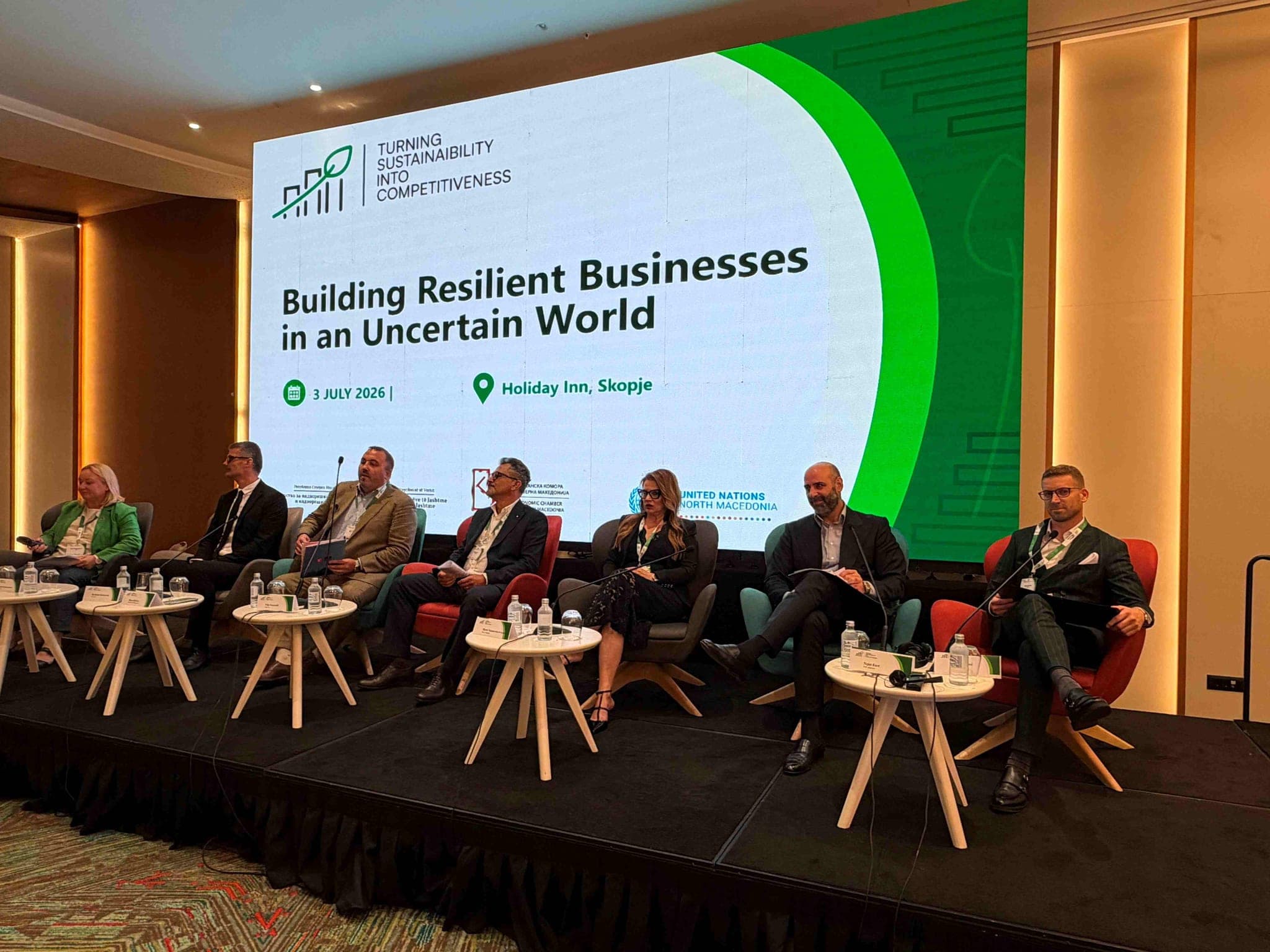
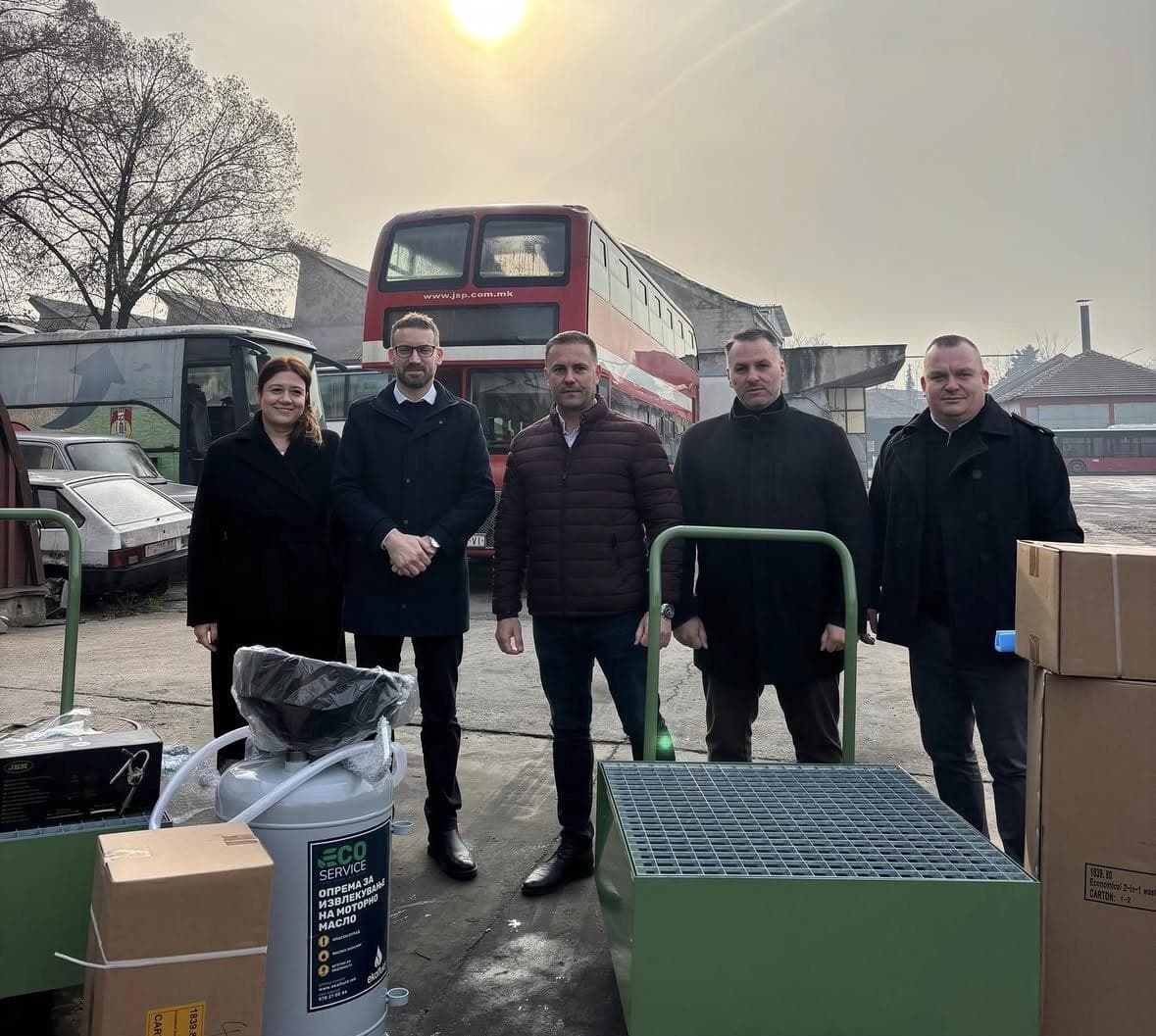
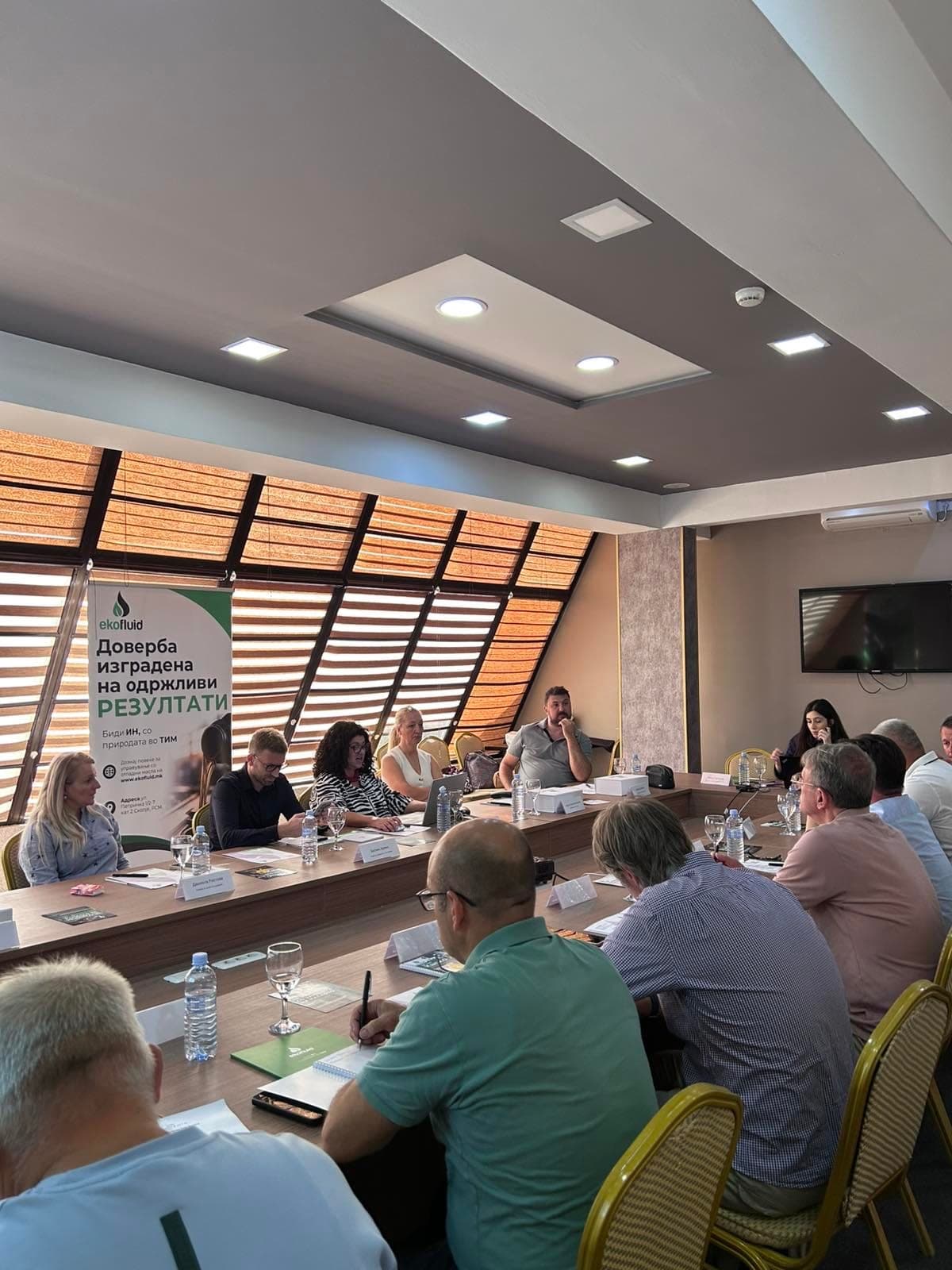
Eko Fluid organized a professional workshop in Veles focused on the implementation and further improvement of the waste oil management system.
The workshop was attended by representatives of the Waste Sector within the Ministry of Environment and Physical Planning and state environmental inspectors from the State Environmental Inspectorate.
Held more than two and a half years after the implementation of the legal obligations for waste oil management began, the workshop provided an opportunity for an open professional discussion on the implementation of the regulatory framework, practical challenges, and opportunities for further improvement of the system.
Particular attention was given to harmonized reporting, transparency, and traceability of waste oils, from their generation through collection and treatment. The discussion also addressed the digitalization of administrative procedures, the reporting of quantities, data exchange, and opportunities for more effective environmental inspection and oversight.
One of the key aspects of the discussion was the need for a harmonized approach and clearly defined data across the different stages of the system. Since waste oil management involves multiple institutions and stakeholders, the quality and verifiability of data are essential for ensuring a comprehensive overview and effective monitoring of waste oil flows.
Digitalization was also recognized as an opportunity to further improve the system by reducing the administrative burden, facilitating information exchange, and strengthening the monitoring and control of data and waste oil flows.
The workshop aimed to use open dialogue and the exchange of practical experience to identify key challenges and explore solutions that can contribute to a more efficient, transparent, and verifiable waste oil management system.
For Eko Fluid, initiatives of this kind are part of our ongoing commitment to cooperation with institutions and stakeholders and to creating the conditions for the continued improvement of the system.
From regulation to results – through dialogue, coordination, and a shared approach.